
What you told us - What we're doing
Thank you for taking part and sharing your thoughts!
On this page, you’ll find details about our past community engagement, how we have used your feedback, and what we’re planning next.
Thank you for taking part and sharing your thoughts!
On this page, you’ll find details about our past community engagement, how we have used your feedback, and what we’re planning next.
-
Fraserburgh and District Partnership Place Plan
Share Fraserburgh and District Partnership Place Plan on Facebook Share Fraserburgh and District Partnership Place Plan on X (formerly Twitter) Share Fraserburgh and District Partnership Place Plan on Linkedin Email Fraserburgh and District Partnership Place Plan linkWhat you told us
The Banff and Buchan Local Community Planning Group - which brings together representatives from local community groups, alongside third sector and public sector partners is coordinating the development of a Fraserburgh and District Partnership Place Plan. The work is part of Aberdeenshire's Community Planning Partnership commitment to support the development of Partnership Place Plans across Aberdeenshire, with the aim of enabling communities to thrive and live well locally.
To ensure the Fraserburgh and District Place Partnership Plan best reflect the distinct identity, assets and priorities of the local area, in March 2026, the Local Community Planning Group invited feedback from those that know the area best – the people that live, work and learn in and visit the area. Feedback was invited on five themes and 14 topic areas to gather views on what is good about the area, what could be improved and an overall satisfaction rating for each topic:
- Movement - Active Travel, Public Transport and Traffic and Parking
- Spaces - Natural Spaces, Streets and Buildings, Parks and recreation
- Services - Facilities and Services, Housing and Community, Work and Economy, Social Connections
- Civic - Community Safety, Identify and Belonging
- Stewardship - Care and Maintenance, Control and Influence on local decision-making
Respondents were also given the opportunity to feedback on what was most important to them, to capture any issues or priorities that may not have been covered by the 14 topic areas.
180 online surveys were completed. Additionally, 16 in-person engagement events were held or attended at which there were 420 in-person discussions. The total comments generated across the online survey and in-person engagement activities were 5,591, of which 2,815 were feedback comments and 2,776 were topic satisfaction ratings.
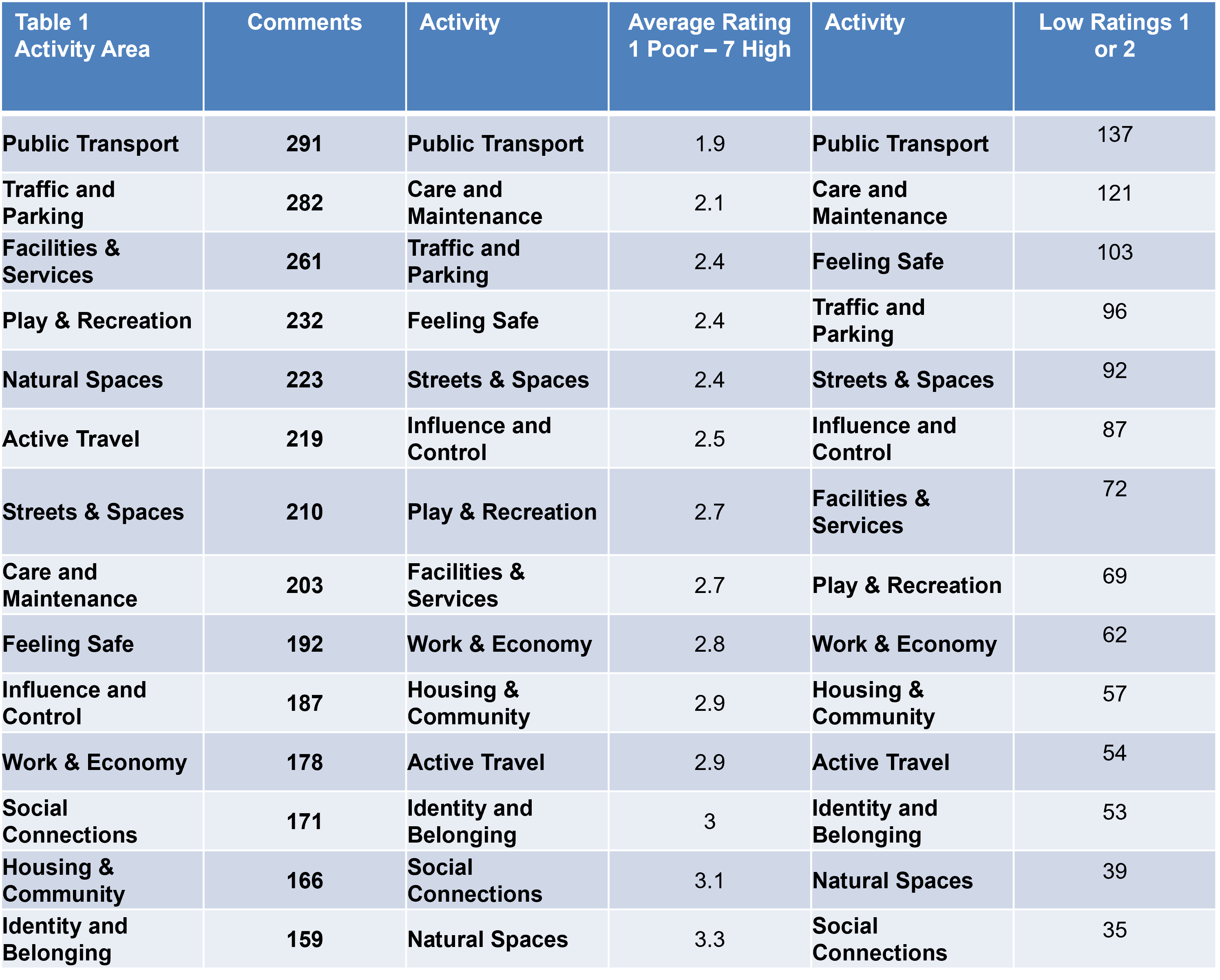
Table 1 ranks the topic areas by the number of comments generated (Column 2), by the average rating given (column 4) and by the lowest rating given (column 6). Public Transport generated the most comments (291) and ranked consistently lowest in terms of the average ranking and lowest rating. Other activity areas rating as poor in terms of the public experiences were Care and Maintenance, Traffic and Parking, Feeling Safe, Streets and Spaces and Influence and Control of Decision-making.
The public expressed clear sentiment about their overall perception of the area, about what is valued and what should be improved:
Sentiment
- Clear pride in the town and its community, people care deeply about the local area
- Strong frustration about long‑standing issues and a feeling that the area is not a priority, feel services, upkeep and investment have not kept pace.
What is valued
- Coast and natural spaces
- Community groups and volunteering
- Libraries, sports and community facilities
- Local identity and pride in place, community spirit
Areas for Improvement
- Reliable and affordable public transport
- Better care and maintenance of streets, paths and buildings
- Safer streets, better lighting and visible policing
- Support for town centres and local businesses
- Improved service options, access and promotion
- More for children and young people, especially teens
- Action after consultation, not just engagement; influence and control
The tables in the attached document summarise the key feedback points for each of the five themes (and associated 14 topic areas): Documents | Fraserburgh and District Place Plan | Engage Aberdeenshire
Copies of these summary documents can be requested by emailing banffandbuchanlcpg@aberdeenshire.gov.uk
What we're doing
Following the collation and review of the feedback comments and ratings, the following four thematic areas have been identified as priority action areas:
Transport and Connectivity Brings together issues about bus reliability and routes, safe walking and cycling infrastructure, and parking/traffic pressures which residents often experience as one combined access problem.
Barriers to accessing healthcare, employment, support, wellbeing connections
Enhancing transport infrastructure for pedestrians, cyclists, accessibility, bus users, within Fraserburgh, and to adjacent villages and Banff, Peterhead, Aberdeen)
Town Centre Regeneration Brings together issues about public realm – tackling derelict properties, care and maintenance, anti-social behavior – liking to creating work and employment opportunities, particularly for young people.
Protecting/conserving assets – e.g Dalrymple Hall
Access to Services, facilities and Opportunities Brings together issues with limited accessibility and low awareness of everyday and wellbeing services, particularly for youth/ASN recreation provision, community spaces to connect, engage in activities or get 1-1 support.
Inclusive and accessible meeting spaces, particularly for young people.
Routes to long term interventions on harm reduction, via schools and other routes
Community Capacity Brings together issues around local confidence in influencing decision-making
Services removing barriers to enabling community led projects, community capacity, volunteering and recognition of community voices and activities and resilience and climate adaptation
The Banff and Buchan Local Community Planning Group hosted a Place Prioritisation event at the Faithlie Centre on 17 June 2026 where representatives from local services, organisations and community groups were invited to:
- Hear about the priority themes and activity areas identified from the public engagement
- How engagement outcomes align with local area data profiles, and
- Engage in a prioritisation exercise and shape actions that will drive forward improved outcomes for the community.
The outputs of the event are being collated and will inform activity plans that will form the basis of the Fraserburgh and District Partnership Place Plan, the delivery of which will be supported and monitored via the Banff and Buchan Local Community Planning Group.
Once finalised in late Autumn 2026, the Plan will be published online and circulated widely in the community. Hard copies will also be available.
If you have any queries about the ongoing development of the Fraserburgh and District Place Plan, please contact the Banff and Buchan Community Planning Officer at banffandbuchanlcpg@Aberdeenshire.gov.uk
What you told us
The Banff and Buchan Local Community Planning Group - which brings together representatives from local community groups, alongside third sector and public sector partners is coordinating the development of a Fraserburgh and District Partnership Place Plan. The work is part of Aberdeenshire's Community Planning Partnership commitment to support the development of Partnership Place Plans across Aberdeenshire, with the aim of enabling communities to thrive and live well locally.
To ensure the Fraserburgh and District Place Partnership Plan best reflect the distinct identity, assets and priorities of the local area, in March 2026, the Local Community Planning Group invited feedback from those that know the area best – the people that live, work and learn in and visit the area. Feedback was invited on five themes and 14 topic areas to gather views on what is good about the area, what could be improved and an overall satisfaction rating for each topic:
- Movement - Active Travel, Public Transport and Traffic and Parking
- Spaces - Natural Spaces, Streets and Buildings, Parks and recreation
- Services - Facilities and Services, Housing and Community, Work and Economy, Social Connections
- Civic - Community Safety, Identify and Belonging
- Stewardship - Care and Maintenance, Control and Influence on local decision-making
Respondents were also given the opportunity to feedback on what was most important to them, to capture any issues or priorities that may not have been covered by the 14 topic areas.
180 online surveys were completed. Additionally, 16 in-person engagement events were held or attended at which there were 420 in-person discussions. The total comments generated across the online survey and in-person engagement activities were 5,591, of which 2,815 were feedback comments and 2,776 were topic satisfaction ratings.
Table 1 ranks the topic areas by the number of comments generated (Column 2), by the average rating given (column 4) and by the lowest rating given (column 6). Public Transport generated the most comments (291) and ranked consistently lowest in terms of the average ranking and lowest rating. Other activity areas rating as poor in terms of the public experiences were Care and Maintenance, Traffic and Parking, Feeling Safe, Streets and Spaces and Influence and Control of Decision-making.

The public expressed clear sentiment about their overall perception of the area, about what is valued and what should be improved:
Sentiment
- Clear pride in the town and its community, people care deeply about the local area
- Strong frustration about long‑standing issues and a feeling that the area is not a priority, feel services, upkeep and investment have not kept pace.
What is valued
- Coast and natural spaces
- Community groups and volunteering
- Libraries, sports and community facilities
- Local identity and pride in place, community spirit
Areas for Improvement
- Reliable and affordable public transport
- Better care and maintenance of streets, paths and buildings
- Safer streets, better lighting and visible policing
- Support for town centres and local businesses
- Improved service options, access and promotion
- More for children and young people, especially teens
- Action after consultation, not just engagement; influence and control
The tables in the attached document summarise the key feedback points for each of the five themes (and associated 14 topic areas): Documents | Fraserburgh and District Place Plan | Engage Aberdeenshire
Copies of these summary documents can be requested by emailing banffandbuchanlcpg@aberdeenshire.gov.uk
What we're doing
Following the collation and review of the feedback comments and ratings, the following four thematic areas have been identified as priority action areas:
Transport and Connectivity Brings together issues about bus reliability and routes, safe walking and cycling infrastructure, and parking/traffic pressures which residents often experience as one combined access problem.
Barriers to accessing healthcare, employment, support, wellbeing connections
Enhancing transport infrastructure for pedestrians, cyclists, accessibility, bus users, within Fraserburgh, and to adjacent villages and Banff, Peterhead, Aberdeen)
Town Centre Regeneration Brings together issues about public realm – tackling derelict properties, care and maintenance, anti-social behavior – liking to creating work and employment opportunities, particularly for young people.
Protecting/conserving assets – e.g Dalrymple Hall
Access to Services, facilities and Opportunities Brings together issues with limited accessibility and low awareness of everyday and wellbeing services, particularly for youth/ASN recreation provision, community spaces to connect, engage in activities or get 1-1 support.
Inclusive and accessible meeting spaces, particularly for young people.
Routes to long term interventions on harm reduction, via schools and other routes
Community Capacity Brings together issues around local confidence in influencing decision-making
Services removing barriers to enabling community led projects, community capacity, volunteering and recognition of community voices and activities and resilience and climate adaptation
The Banff and Buchan Local Community Planning Group hosted a Place Prioritisation event at the Faithlie Centre on 17 June 2026 where representatives from local services, organisations and community groups were invited to:
- Hear about the priority themes and activity areas identified from the public engagement
- How engagement outcomes align with local area data profiles, and
- Engage in a prioritisation exercise and shape actions that will drive forward improved outcomes for the community.
The outputs of the event are being collated and will inform activity plans that will form the basis of the Fraserburgh and District Partnership Place Plan, the delivery of which will be supported and monitored via the Banff and Buchan Local Community Planning Group.
Once finalised in late Autumn 2026, the Plan will be published online and circulated widely in the community. Hard copies will also be available.
If you have any queries about the ongoing development of the Fraserburgh and District Place Plan, please contact the Banff and Buchan Community Planning Officer at banffandbuchanlcpg@Aberdeenshire.gov.uk
-
Asset Transfer Request - Leslie Hall, Insch
Share Asset Transfer Request - Leslie Hall, Insch on Facebook Share Asset Transfer Request - Leslie Hall, Insch on X (formerly Twitter) Share Asset Transfer Request - Leslie Hall, Insch on Linkedin Email Asset Transfer Request - Leslie Hall, Insch linkWhat you told us
Insch Leslie & District Men’s Shed submitted an Asset Transfer request to convert the former school building into a dedicated base for their activities. The group had been operating from the facility on a limited basis and identified the need for a larger, more suitable space to expand the range of projects they could undertake and better serve the local community. The proposed use of the building is primarily to support Men’s Shed activities, with potential to provide space for other community uses.
The request was published on the Council’s website and promoted through Engage Aberdeenshire, with the public given at least 20 working days to submit representations. The Community Council was notified, and notices were displayed locally. Representations were received, with no objections raised. The Men’s Shed also undertook its own community engagement and engaged with neighbouring properties, with feedback incorporated into their Business Plan
All documentation relating to the Asset Transfer request, including public comments, is available on the Council’s website.
What we’re doing
The Asset Transfer request was considered by the Garioch Area Committee on 12 May 2026, where members approved the officer recommendation to transfer the property into full ownership at a discounted price of £1.
The transfer is currently progressing through the conveyancing process and will be completed once this is finalised.
What you told us
Insch Leslie & District Men’s Shed submitted an Asset Transfer request to convert the former school building into a dedicated base for their activities. The group had been operating from the facility on a limited basis and identified the need for a larger, more suitable space to expand the range of projects they could undertake and better serve the local community. The proposed use of the building is primarily to support Men’s Shed activities, with potential to provide space for other community uses.
The request was published on the Council’s website and promoted through Engage Aberdeenshire, with the public given at least 20 working days to submit representations. The Community Council was notified, and notices were displayed locally. Representations were received, with no objections raised. The Men’s Shed also undertook its own community engagement and engaged with neighbouring properties, with feedback incorporated into their Business Plan
All documentation relating to the Asset Transfer request, including public comments, is available on the Council’s website.
What we’re doing
The Asset Transfer request was considered by the Garioch Area Committee on 12 May 2026, where members approved the officer recommendation to transfer the property into full ownership at a discounted price of £1.
The transfer is currently progressing through the conveyancing process and will be completed once this is finalised.
-
Area of Common Good Land at Lower Deveronside Banff
Share Area of Common Good Land at Lower Deveronside Banff on Facebook Share Area of Common Good Land at Lower Deveronside Banff on X (formerly Twitter) Share Area of Common Good Land at Lower Deveronside Banff on Linkedin Email Area of Common Good Land at Lower Deveronside Banff linkWhat you told us
We asked for your views on a proposal to dispose of an area of Common Good land at Lower Deveronside in Banff. We received a range of views, both for and against the proposal. All of the comments are publicly available and can be found here: Public Consultation Feedback
Key themes included:
- Some strong views that Common Good land should be protected and not sold
- Opinions raised that the land belongs to the community rather than the Council
- Worries about the loss of a long-term community asset and future opportunities for development of the site
- Preference for community, recreational or green space use, including facilities for young people
- Interest in alternative options, such as leasing rather than selling
- Concerns about transparency, clarity and fairness in the process
- Recognition that the land has been unused or in poor condition for some time
- Support for bringing the site back into productive use
- Perceived benefits for economic growth, local businesses and jobs
- A desire to improve the appearance and vitality of Banff
- Confidence from some respondents in the proposed purchaser and delivery of development
- A general feeling that positive change is needed rather than leaving the land unused
We would like to thank everyone who took the time to complete the survey. Your feedback has been carefully considered and helps inform the next steps.
We heard clear concerns about the sale of Common Good land, including how it is protected and used for future generations, as well as the importance of community benefit, transparency and exploring alternative options. At the same time, we recognise that some respondents want to see the site brought back into use, with potential benefits for the local economy, improved facilities and the overall appearance of Banff.
The consultation was carried out in line with the statutory requirements for the disposal of Common Good land. This included a publicly advertised process, with information made available online and in paper format, and opportunities for people to submit their views. A question and answer document was also provided, setting out key information such as the location of the land, the reason for the proposed sale and the process being followed. The Council has a legal responsibility as custodian of Common Good assets and must follow a defined statutory process when considering any disposal. This includes public consultation, reporting findings to Committee, and seeking approval through the appropriate legal routes.
We also want to be clear about how Common Good assets are managed. Any proceeds from the sale would remain within the Common Good Fund, split equally between Banff and Macduff. This means the value is not lost and can be reinvested in projects and priorities that benefit the local community over the longer term.
We note the suggestions for community or recreational use, as well as alternatives such as leasing. These options were considered, however disposal of the land was preferred as it allows the value of the asset to be realised and reinvested, providing wider opportunities and benefits for the community.
While detailed and strongly held views were received, the overall number of responses was relatively low. This means the findings should be considered alongside wider evidence when making decisions. All feedback forms part of the Council’s decision-making process, alongside its responsibilities as custodian of Common Good assets, the potential benefits of the proposal, and the long-term interests of the community.
What we’re doing
A report was presented to the Banff and Buchan Committee on 16 June. The report can be found here, at item 14: Agenda for Banff and Buchan Area Committee on Tuesday, 16th June, 2026, 9.30 am - Aberdeenshire Council
The Committee agreed to:
- Instruct the Head of Legal and People to conclude missives for the sale of the site to the previously identified preferred bidder
- Instruct the Head of Legal and People to seek approval from the Sheriff Court under section 75 of the Local Government (Scotland) Act 1973 to dispose of the Common Good element of the asset before progressing the sale
What you told us
We asked for your views on a proposal to dispose of an area of Common Good land at Lower Deveronside in Banff. We received a range of views, both for and against the proposal. All of the comments are publicly available and can be found here: Public Consultation Feedback
Key themes included:
- Some strong views that Common Good land should be protected and not sold
- Opinions raised that the land belongs to the community rather than the Council
- Worries about the loss of a long-term community asset and future opportunities for development of the site
- Preference for community, recreational or green space use, including facilities for young people
- Interest in alternative options, such as leasing rather than selling
- Concerns about transparency, clarity and fairness in the process
- Recognition that the land has been unused or in poor condition for some time
- Support for bringing the site back into productive use
- Perceived benefits for economic growth, local businesses and jobs
- A desire to improve the appearance and vitality of Banff
- Confidence from some respondents in the proposed purchaser and delivery of development
- A general feeling that positive change is needed rather than leaving the land unused
We would like to thank everyone who took the time to complete the survey. Your feedback has been carefully considered and helps inform the next steps.
We heard clear concerns about the sale of Common Good land, including how it is protected and used for future generations, as well as the importance of community benefit, transparency and exploring alternative options. At the same time, we recognise that some respondents want to see the site brought back into use, with potential benefits for the local economy, improved facilities and the overall appearance of Banff.
The consultation was carried out in line with the statutory requirements for the disposal of Common Good land. This included a publicly advertised process, with information made available online and in paper format, and opportunities for people to submit their views. A question and answer document was also provided, setting out key information such as the location of the land, the reason for the proposed sale and the process being followed. The Council has a legal responsibility as custodian of Common Good assets and must follow a defined statutory process when considering any disposal. This includes public consultation, reporting findings to Committee, and seeking approval through the appropriate legal routes.
We also want to be clear about how Common Good assets are managed. Any proceeds from the sale would remain within the Common Good Fund, split equally between Banff and Macduff. This means the value is not lost and can be reinvested in projects and priorities that benefit the local community over the longer term.
We note the suggestions for community or recreational use, as well as alternatives such as leasing. These options were considered, however disposal of the land was preferred as it allows the value of the asset to be realised and reinvested, providing wider opportunities and benefits for the community.
While detailed and strongly held views were received, the overall number of responses was relatively low. This means the findings should be considered alongside wider evidence when making decisions. All feedback forms part of the Council’s decision-making process, alongside its responsibilities as custodian of Common Good assets, the potential benefits of the proposal, and the long-term interests of the community.
What we’re doing
A report was presented to the Banff and Buchan Committee on 16 June. The report can be found here, at item 14: Agenda for Banff and Buchan Area Committee on Tuesday, 16th June, 2026, 9.30 am - Aberdeenshire Council
The Committee agreed to:
- Instruct the Head of Legal and People to conclude missives for the sale of the site to the previously identified preferred bidder
- Instruct the Head of Legal and People to seek approval from the Sheriff Court under section 75 of the Local Government (Scotland) Act 1973 to dispose of the Common Good element of the asset before progressing the sale
-
Aberdeenshire Council's Housing Rent Strategy Consultation
Share Aberdeenshire Council's Housing Rent Strategy Consultation on Facebook Share Aberdeenshire Council's Housing Rent Strategy Consultation on X (formerly Twitter) Share Aberdeenshire Council's Housing Rent Strategy Consultation on Linkedin Email Aberdeenshire Council's Housing Rent Strategy Consultation linkWhat you told us
Thank you to everyone who took part in the Housing Rent Strategy Consultation. The online survey closed on 5 April 2026, and asked tenants about their views on housing services to help us improve and plan for the future. This year, your views are especially important as we begin discussions about future rent plans. The online survey ran alongside a telephone consultation, which remained open until June to allow more tenants to take part.
What we’re doing
We are currently bringing together feedback from both the online and telephone surveys. Early findings will be shared with tenants at the Communications Group in July, and further focus groups will be arranged to explore the feedback in more detail. A full update on the results will be published in due course.
What you told us
Thank you to everyone who took part in the Housing Rent Strategy Consultation. The online survey closed on 5 April 2026, and asked tenants about their views on housing services to help us improve and plan for the future. This year, your views are especially important as we begin discussions about future rent plans. The online survey ran alongside a telephone consultation, which remained open until June to allow more tenants to take part.
What we’re doing
We are currently bringing together feedback from both the online and telephone surveys. Early findings will be shared with tenants at the Communications Group in July, and further focus groups will be arranged to explore the feedback in more detail. A full update on the results will be published in due course.
-
Integrated Travel Towns
Share Integrated Travel Towns on Facebook Share Integrated Travel Towns on X (formerly Twitter) Share Integrated Travel Towns on Linkedin Email Integrated Travel Towns linkWhat you told us
Earlier this year, we asked for your views on the Integrated Travel Towns project, which aims to make it easier, safer and more sustainable to travel around our towns. Using the Placecheck tool, you shared your experiences of getting around, highlighted areas that work well, and identified places where improvements could be made for walking, wheeling, cycling and public transport. This part of the exercise closed on 27 March, and we received a wide range of comments, ideas and suggestions. All of this feedback is publicly available on the Placecheck tool, and we’ve carefully noted all comments. You can view the comments here: Placecheck Online
What we’re doing
We are currently reviewing and considering all of the feedback received. As this work is ongoing, we’re not yet in a position to share final outcomes. However, there will be more opportunities to get involved over the summer, and we’ll continue to provide updates as the project progresses. You can view the project page here: Integrated Travel Towns | Engage Aberdeenshire
What you told us
Earlier this year, we asked for your views on the Integrated Travel Towns project, which aims to make it easier, safer and more sustainable to travel around our towns. Using the Placecheck tool, you shared your experiences of getting around, highlighted areas that work well, and identified places where improvements could be made for walking, wheeling, cycling and public transport. This part of the exercise closed on 27 March, and we received a wide range of comments, ideas and suggestions. All of this feedback is publicly available on the Placecheck tool, and we’ve carefully noted all comments. You can view the comments here: Placecheck Online
What we’re doing
We are currently reviewing and considering all of the feedback received. As this work is ongoing, we’re not yet in a position to share final outcomes. However, there will be more opportunities to get involved over the summer, and we’ll continue to provide updates as the project progresses. You can view the project page here: Integrated Travel Towns | Engage Aberdeenshire
-
Draft Aberdeenshire Nature Network
Share Draft Aberdeenshire Nature Network on Facebook Share Draft Aberdeenshire Nature Network on X (formerly Twitter) Share Draft Aberdeenshire Nature Network on Linkedin Email Draft Aberdeenshire Nature Network linkWhat you told us
Aberdeenshire Council invited feedback on a draft nature network for the area. The network links protected sites, local nature conservation sites and towns, using rivers and water corridors. It aims to support nature recovery and improve resilience. Full detail of the consultation, including the project documents and mapping, can be found here: Draft Aberdeenshire Nature Network | Engage Aberdeenshire
We received 54 responses to the consultation and are very grateful to those who provided feedback. Many thanks to you all.
36% of respondents agreed with the methodology used to create the nature network, and a majority of 64% said they did not. Comments on the methodology included:
- That the range of habitats used in the mapping should be broadened out from rivers to include woodland, moorland, wetlands and grassland for example
- The 250m buffer used around the rivers and protected sites lacks justification and is overly large
- The map risks limiting built development by creating the impression of ‘no development’ zones
- Long distance outdoor access paths such as the Deeside Way should be added
- Rather the focussing on a single network, a more habitat focussed set of networks should be set up looking to join up like-for-like habitats such as a wetland network and a separate one for woodlands, providing a positive future vision
52% of respondents agreed with the proposed uses of the nature network, 48% disagreed. Comments on the proposed uses included:
- Disappointment at the network being presented as non-restrictive and only a focus for voluntary/optional action. It was felt that would fall short of the needs for nature recovery
- The key issues for nature are not addressed by the approach such as habitat loss, wildlife protection, pollution and development
- The wide corridors risk limiting development
- No measurable outcomes or monitoring processes are presented
What we are doing
We are now reviewing all the feedback given and looking to develop the methodology and mapping further in response. Our particular focus will be to:
- Consider if and how we can build in a wider range of habitats into the methodology
- Explore whether in and around towns we might represent the network differently
- Make sure the network’s purpose and benefits are clearly explained, while setting out a positive vision for the future.
We plan to update the methodology and related documents, and then share them again for further consultation.
What you told us
Aberdeenshire Council invited feedback on a draft nature network for the area. The network links protected sites, local nature conservation sites and towns, using rivers and water corridors. It aims to support nature recovery and improve resilience. Full detail of the consultation, including the project documents and mapping, can be found here: Draft Aberdeenshire Nature Network | Engage Aberdeenshire
We received 54 responses to the consultation and are very grateful to those who provided feedback. Many thanks to you all.
36% of respondents agreed with the methodology used to create the nature network, and a majority of 64% said they did not. Comments on the methodology included:
- That the range of habitats used in the mapping should be broadened out from rivers to include woodland, moorland, wetlands and grassland for example
- The 250m buffer used around the rivers and protected sites lacks justification and is overly large
- The map risks limiting built development by creating the impression of ‘no development’ zones
- Long distance outdoor access paths such as the Deeside Way should be added
- Rather the focussing on a single network, a more habitat focussed set of networks should be set up looking to join up like-for-like habitats such as a wetland network and a separate one for woodlands, providing a positive future vision
52% of respondents agreed with the proposed uses of the nature network, 48% disagreed. Comments on the proposed uses included:
- Disappointment at the network being presented as non-restrictive and only a focus for voluntary/optional action. It was felt that would fall short of the needs for nature recovery
- The key issues for nature are not addressed by the approach such as habitat loss, wildlife protection, pollution and development
- The wide corridors risk limiting development
- No measurable outcomes or monitoring processes are presented
What we are doing
We are now reviewing all the feedback given and looking to develop the methodology and mapping further in response. Our particular focus will be to:
- Consider if and how we can build in a wider range of habitats into the methodology
- Explore whether in and around towns we might represent the network differently
- Make sure the network’s purpose and benefits are clearly explained, while setting out a positive vision for the future.
We plan to update the methodology and related documents, and then share them again for further consultation.
-
Banff and Buchan Playparks
Share Banff and Buchan Playparks on Facebook Share Banff and Buchan Playparks on X (formerly Twitter) Share Banff and Buchan Playparks on Linkedin Email Banff and Buchan Playparks linkWhat you told us
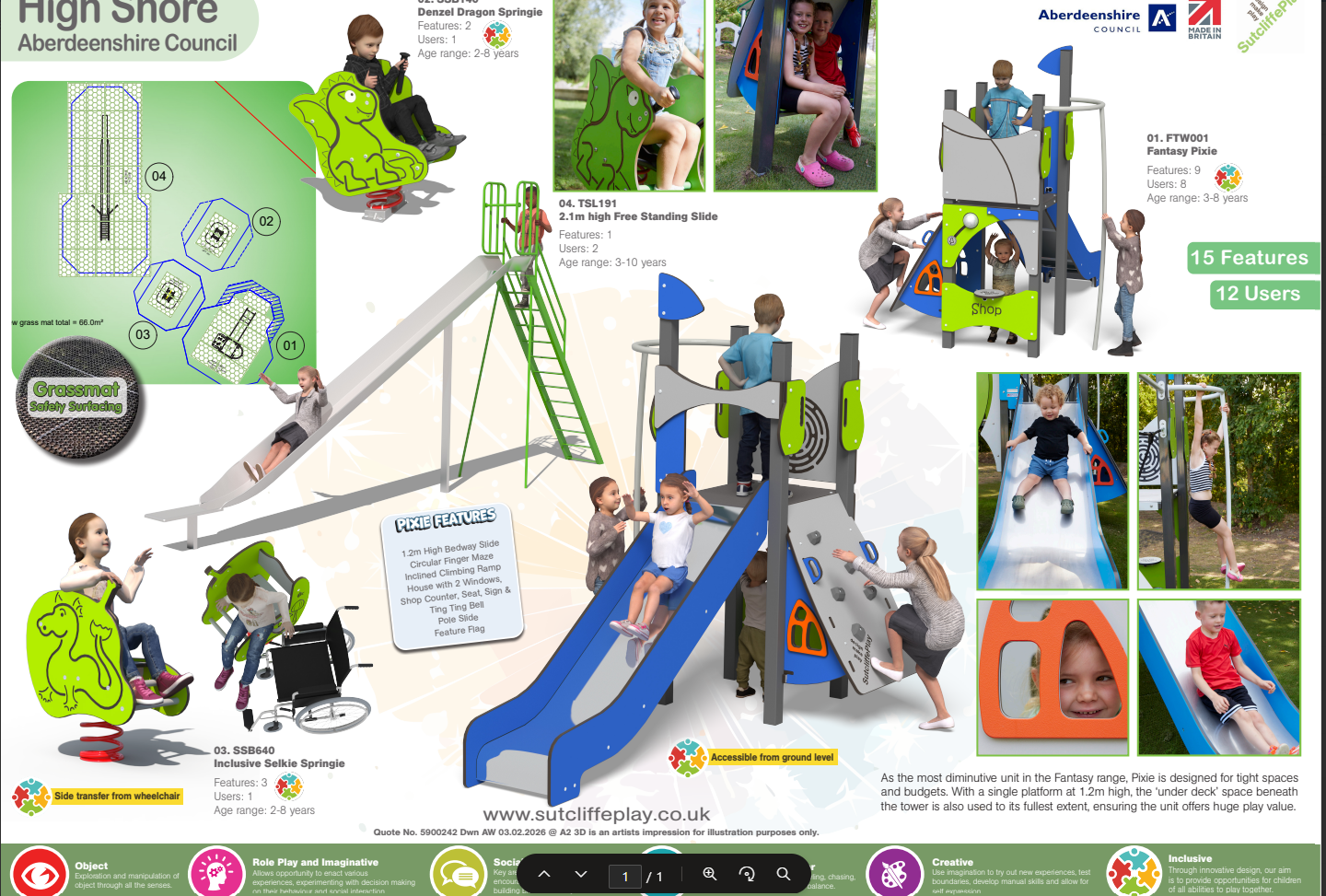
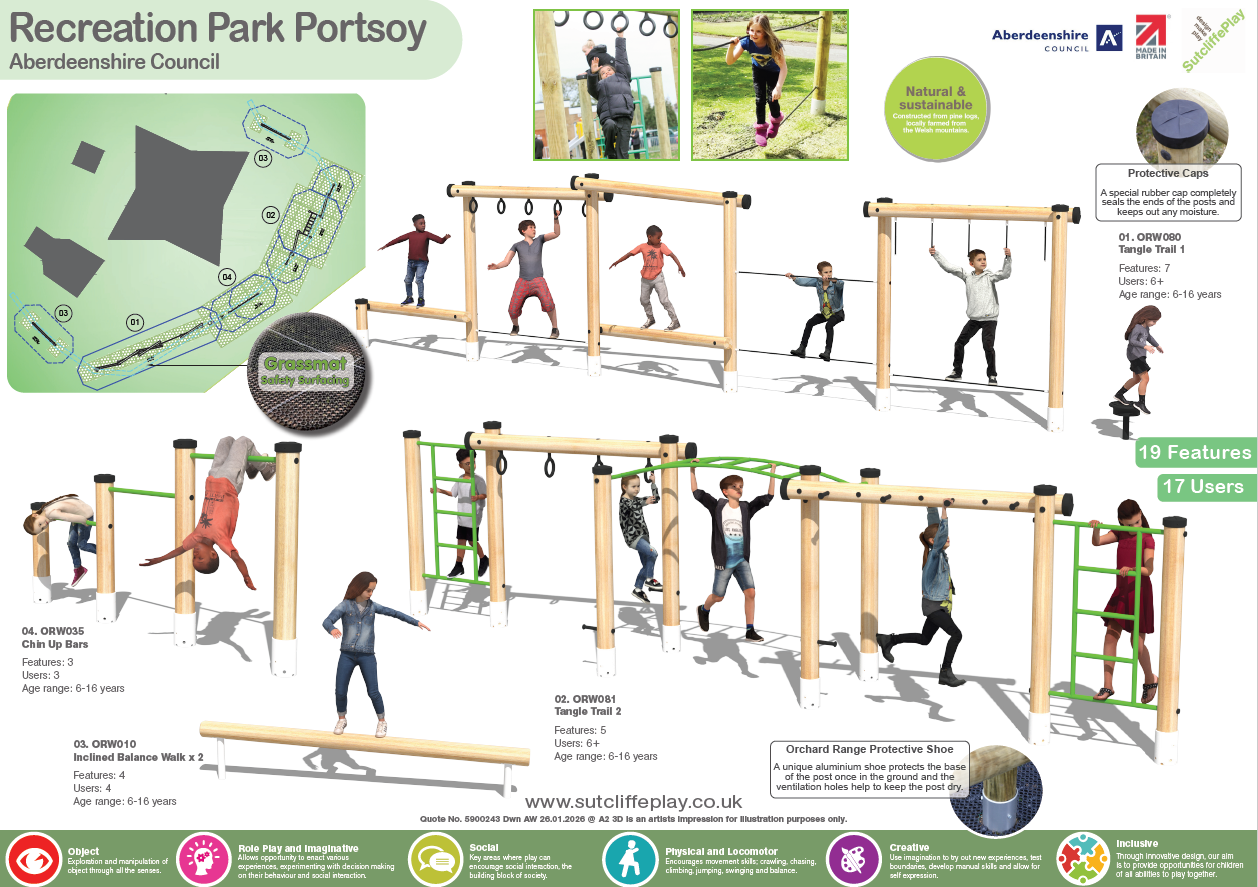
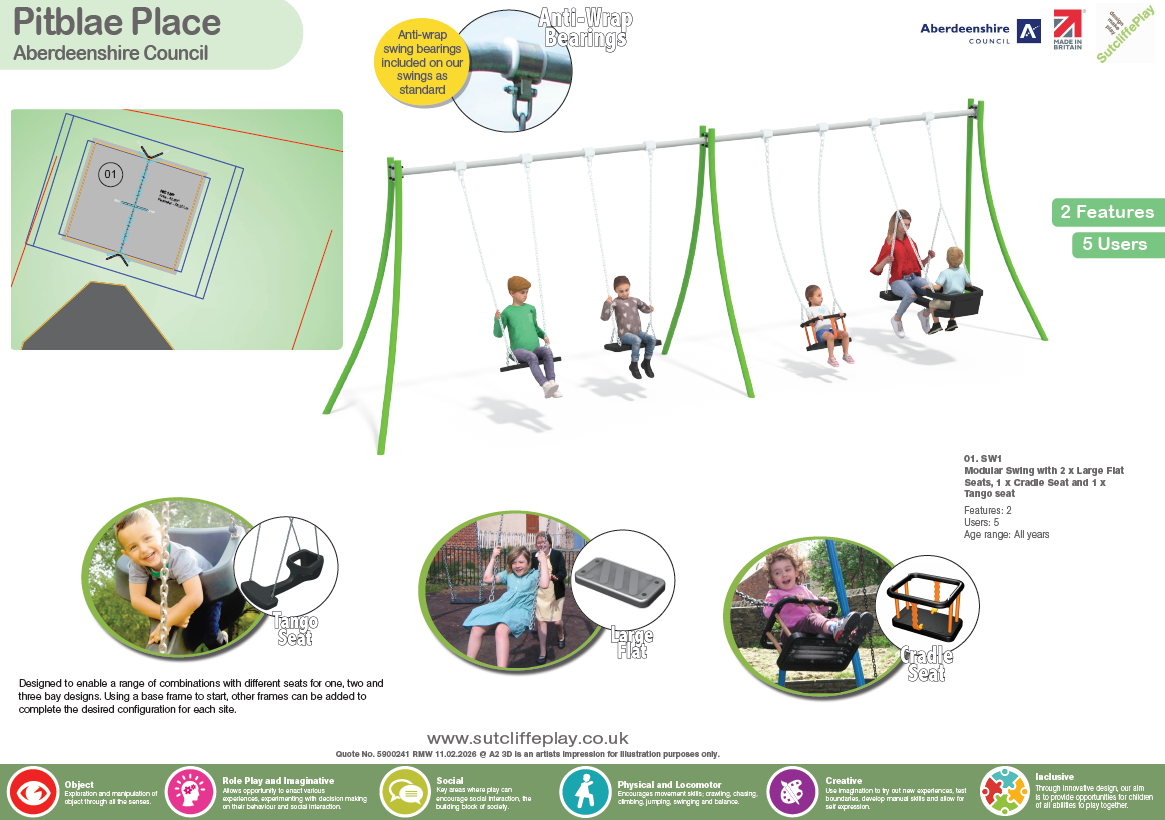
Aberdeenshire Council invited feedback from the local community to help select their preferred design for a new Playpark Equipment, funded by the Scottish Government. The playparks being upgraded are:
- High Shore, Macduff
- Recreation Park, Portsoy
- Midstreet, Cornhill
- Pitblae Place, Fraserburgh
- North Street, Aberchirder
- Hardie Court, Aberchirder
- Rathen Playpark, Rathen
- Cairndenity Place, Inverallochy
Four design options were presented, with the designs shown below receiving almost 42% of the public vote.
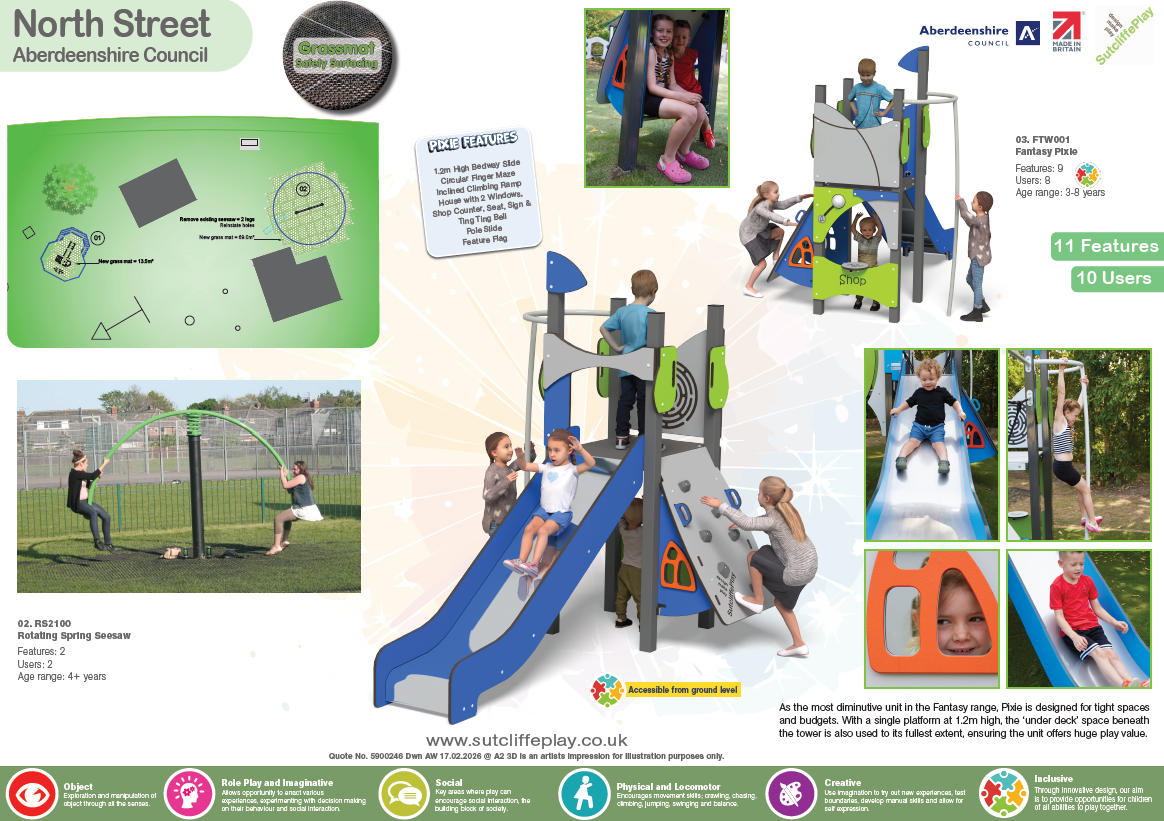
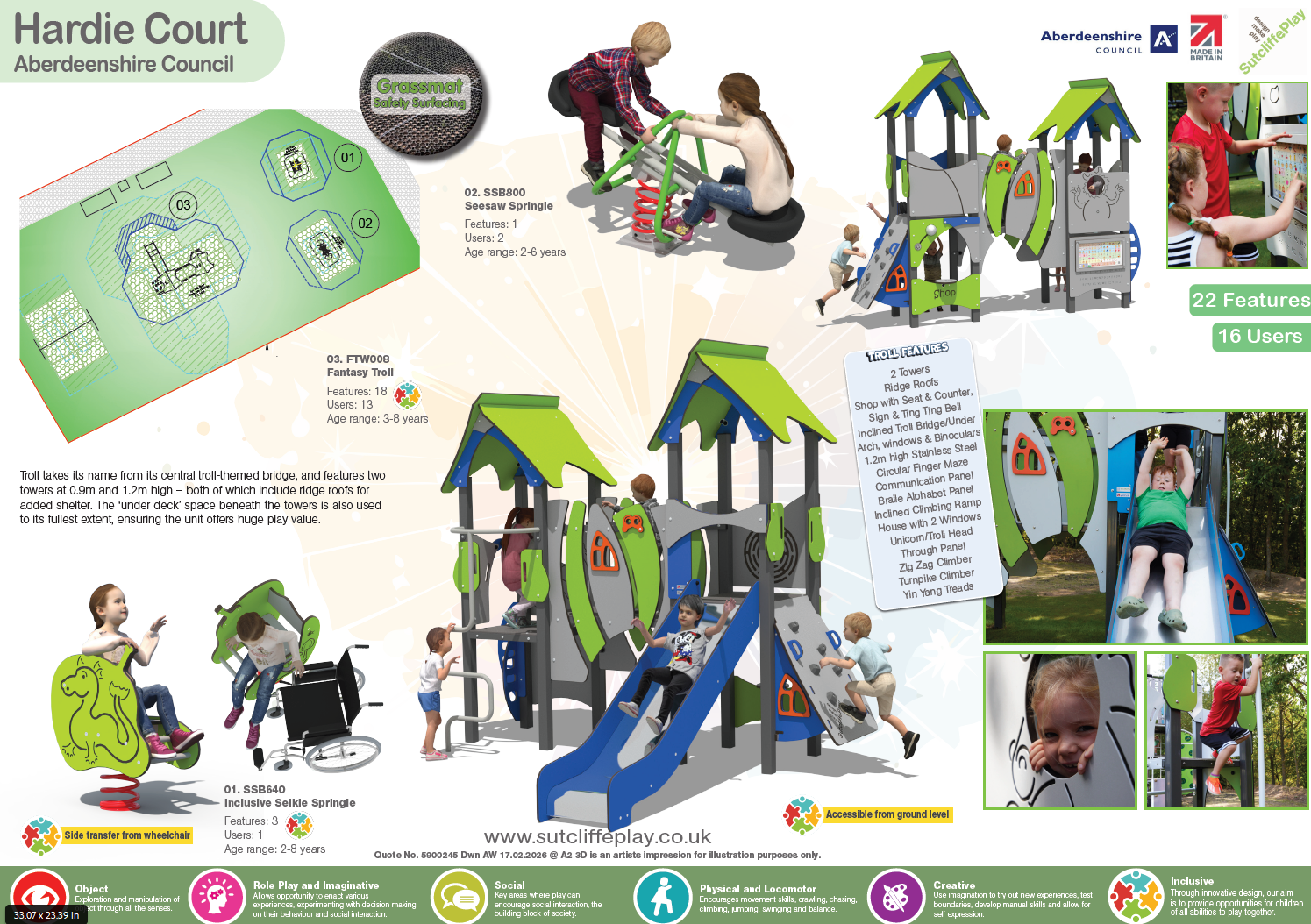
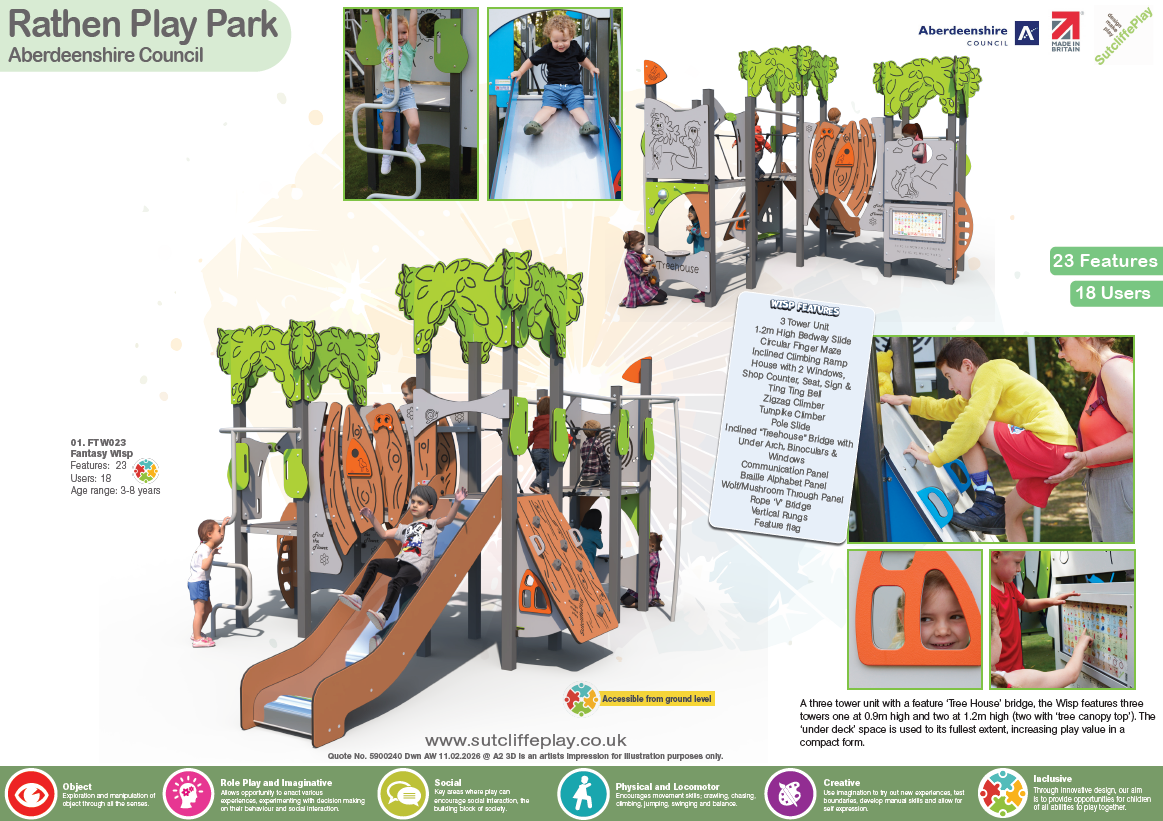
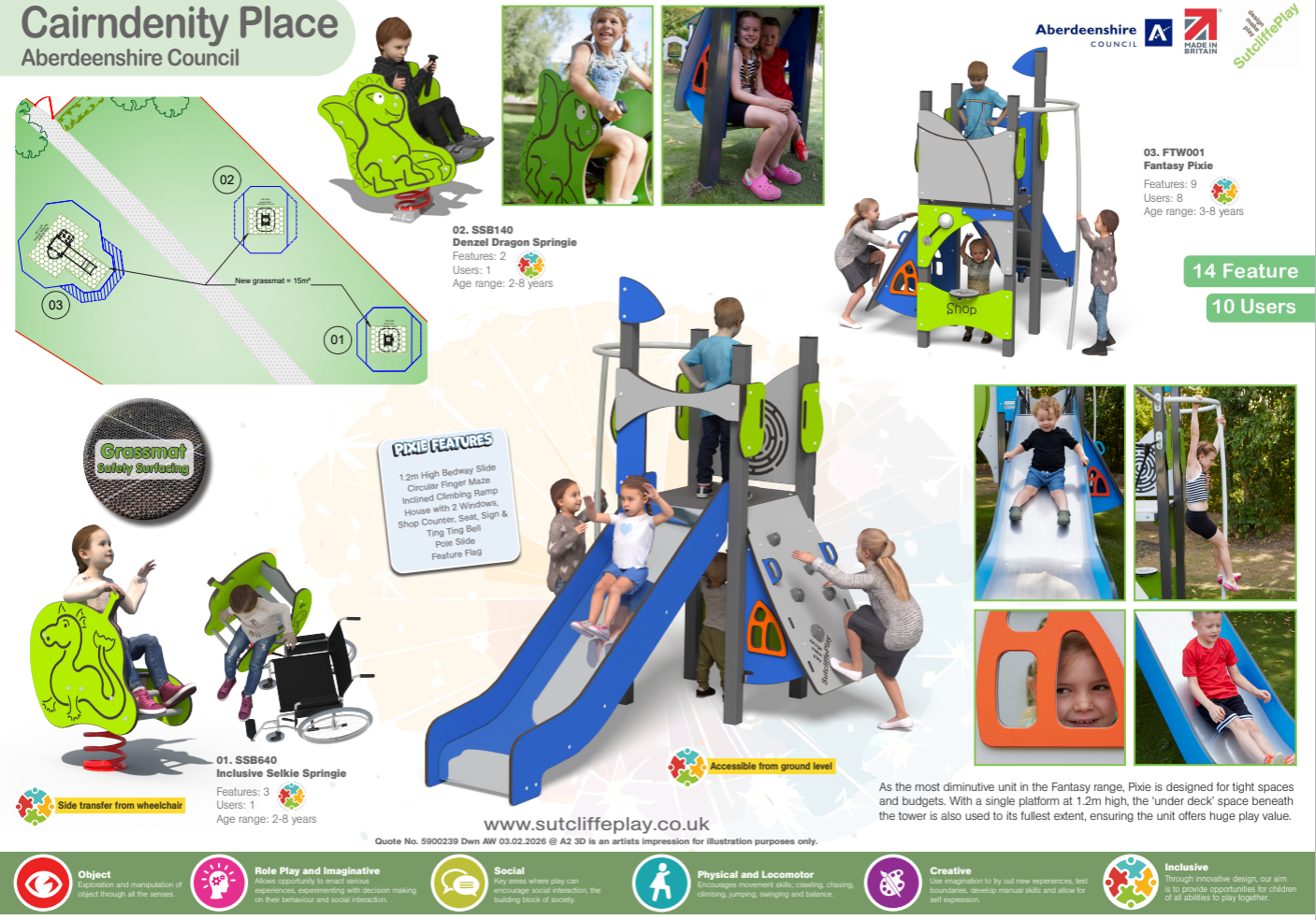
What we're doing
Aberdeenshire Council’s Landscape Services have now ordered the new play equipment, which will be installed over the coming months. Thank you to everyone who took part and shared their views, your input has played an important role in shaping these play parks for the community.
What you told us
Aberdeenshire Council invited feedback from the local community to help select their preferred design for a new Playpark Equipment, funded by the Scottish Government. The playparks being upgraded are:
- High Shore, Macduff
- Recreation Park, Portsoy
- Midstreet, Cornhill
- Pitblae Place, Fraserburgh
- North Street, Aberchirder
- Hardie Court, Aberchirder
- Rathen Playpark, Rathen
- Cairndenity Place, Inverallochy
Four design options were presented, with the designs shown below receiving almost 42% of the public vote.


What we're doing
Aberdeenshire Council’s Landscape Services have now ordered the new play equipment, which will be installed over the coming months. Thank you to everyone who took part and shared their views, your input has played an important role in shaping these play parks for the community.
-
Huntly Conservation Area Boundary Review
Share Huntly Conservation Area Boundary Review on Facebook Share Huntly Conservation Area Boundary Review on X (formerly Twitter) Share Huntly Conservation Area Boundary Review on Linkedin Email Huntly Conservation Area Boundary Review linkWhat you told us
Between November 2025 and March 2026, we asked your views on the revised boundary of the Huntly Conservation Area. We would like to thank everyone who took the time to share their feedback through the online survey. The detail of responses returned provided valuable insight into how the conservation area is viewed by residents and the potential impacts of any change.
What we’re doing
We are currently collating the all the survey responses we have received, and these will be used to shape the final Huntly Conservation Area boundary. Later this year, we will be attending Marr Area Committee to provide feedback on this exercise. The report to committee will be published on our website.
What you told us
Between November 2025 and March 2026, we asked your views on the revised boundary of the Huntly Conservation Area. We would like to thank everyone who took the time to share their feedback through the online survey. The detail of responses returned provided valuable insight into how the conservation area is viewed by residents and the potential impacts of any change.
What we’re doing
We are currently collating the all the survey responses we have received, and these will be used to shape the final Huntly Conservation Area boundary. Later this year, we will be attending Marr Area Committee to provide feedback on this exercise. The report to committee will be published on our website.
-
Buchan Area Playparks
Share Buchan Area Playparks on Facebook Share Buchan Area Playparks on X (formerly Twitter) Share Buchan Area Playparks on Linkedin Email Buchan Area Playparks linkWhat you told us
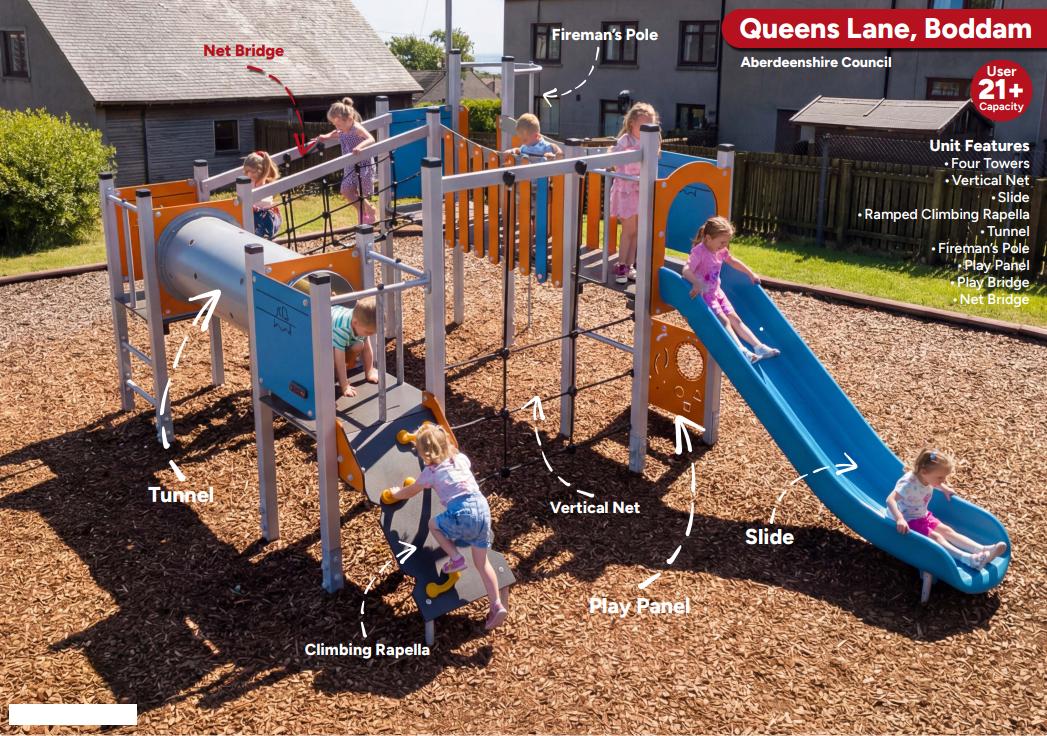
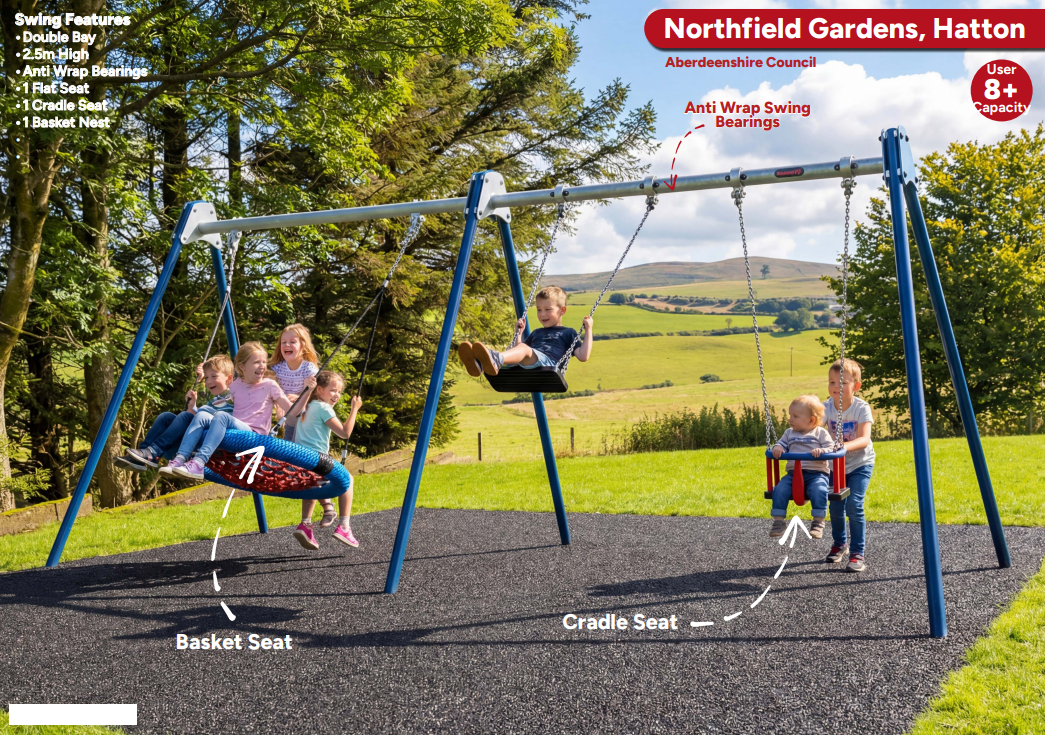
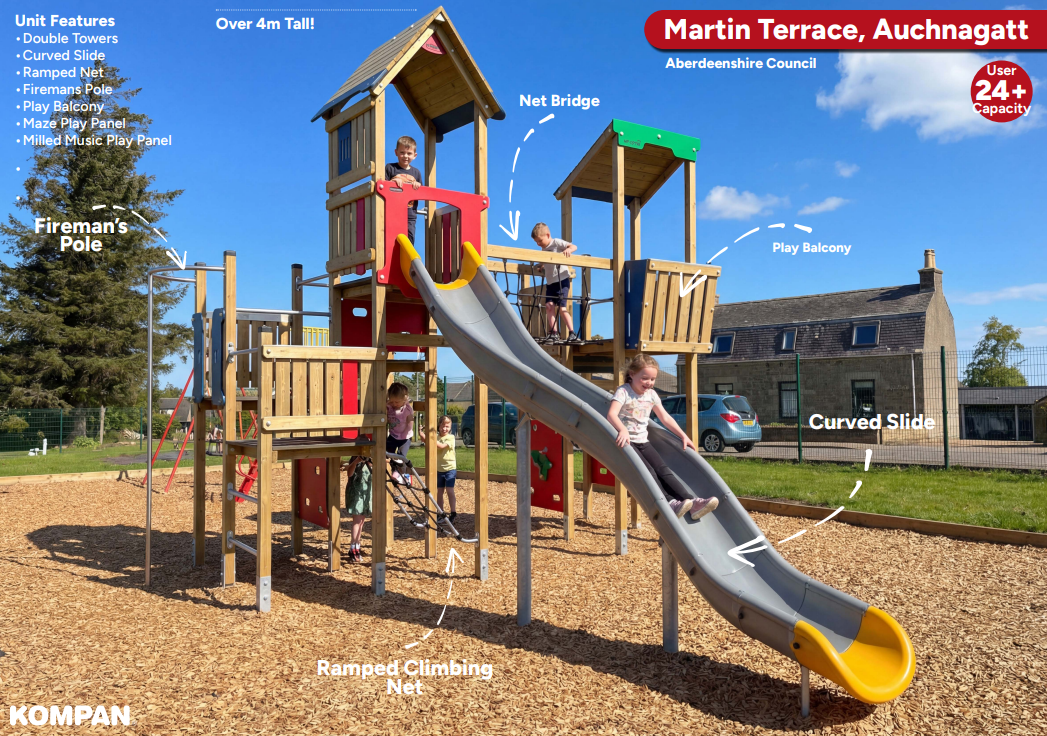
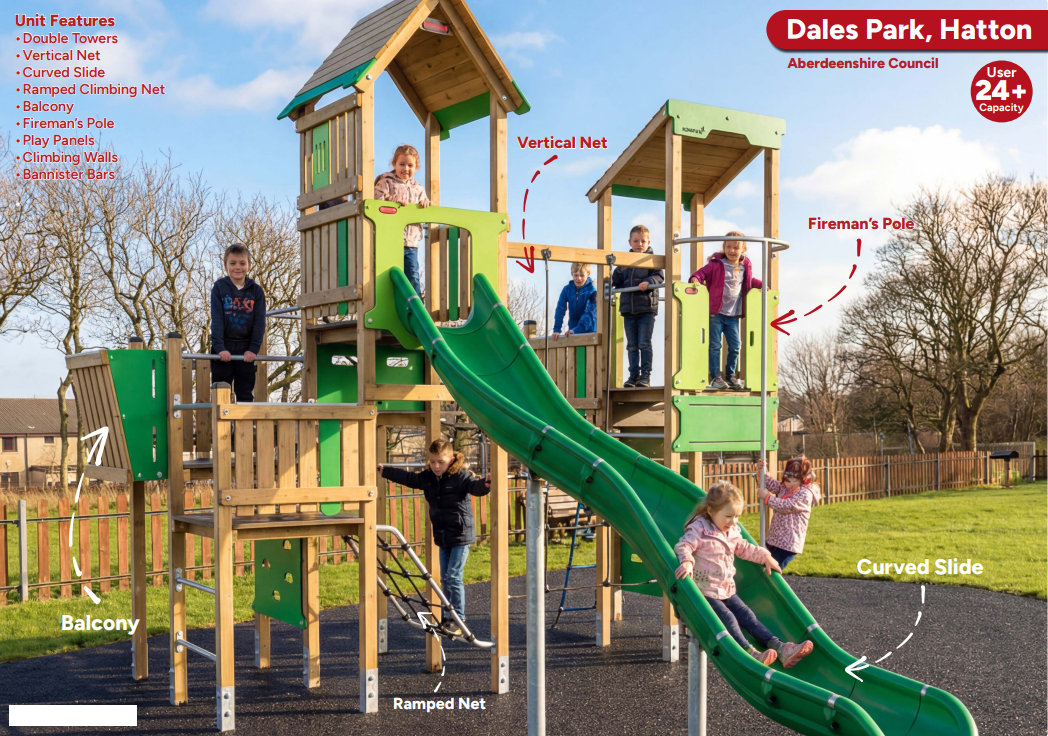
Aberdeenshire Council invited feedback from the local community to help select their preferred design for a new Playpark Equipment, funded by the Scottish Government. The playparks being upgraded are Queens Lane in Boddam, Northfield Gardens in Hatton, Martin Terrace in Auchnagatt and Dales Park in Hatton. Four design options were presented, with the designs shown below receiving almost 38% of the public vote.
What we're doing
Aberdeenshire Council’s Landscape Services have now ordered the new play equipment, which will be installed over the coming months. Thank you to everyone who took part and shared their views, your input has played an important role in shaping these play parks for the community.
What you told us
Aberdeenshire Council invited feedback from the local community to help select their preferred design for a new Playpark Equipment, funded by the Scottish Government. The playparks being upgraded are Queens Lane in Boddam, Northfield Gardens in Hatton, Martin Terrace in Auchnagatt and Dales Park in Hatton. Four design options were presented, with the designs shown below receiving almost 38% of the public vote.


What we're doing
Aberdeenshire Council’s Landscape Services have now ordered the new play equipment, which will be installed over the coming months. Thank you to everyone who took part and shared their views, your input has played an important role in shaping these play parks for the community.
-
Buchan Area Playparks
Share Buchan Area Playparks on Facebook Share Buchan Area Playparks on X (formerly Twitter) Share Buchan Area Playparks on Linkedin Email Buchan Area Playparks linkWhat you told us
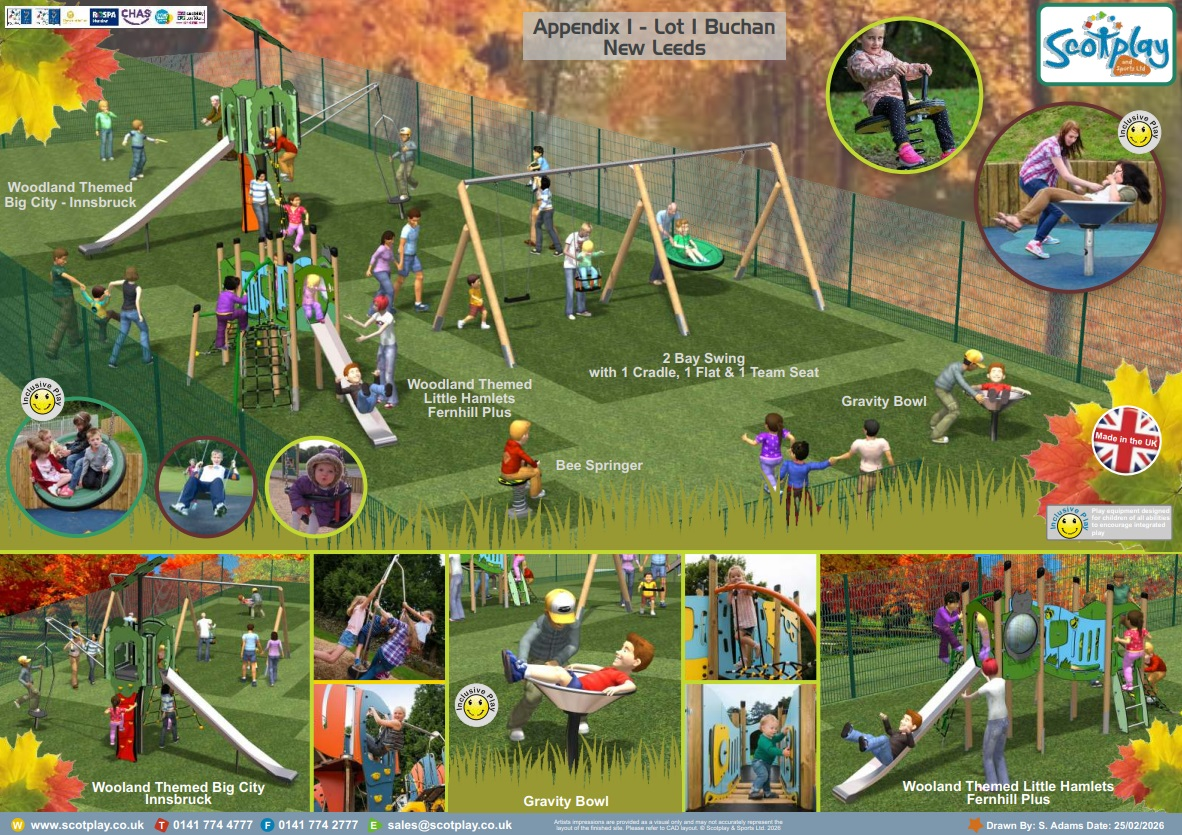
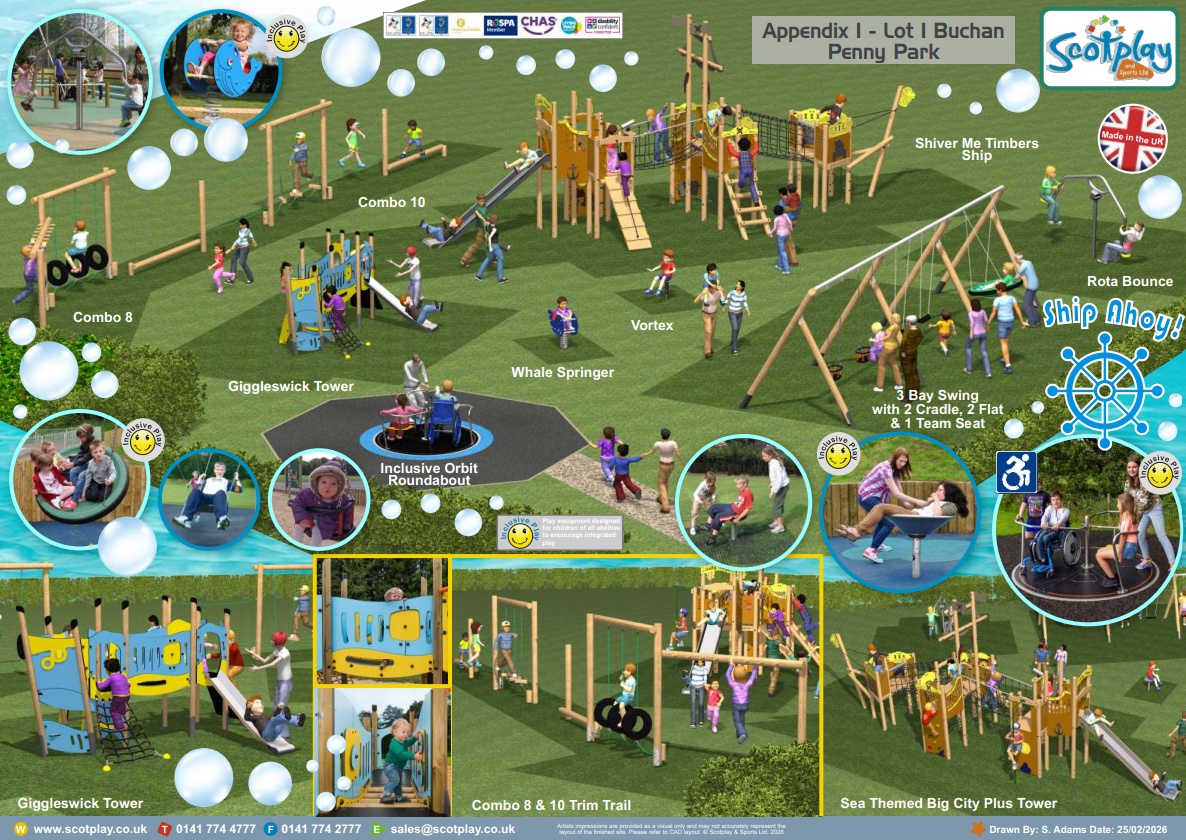
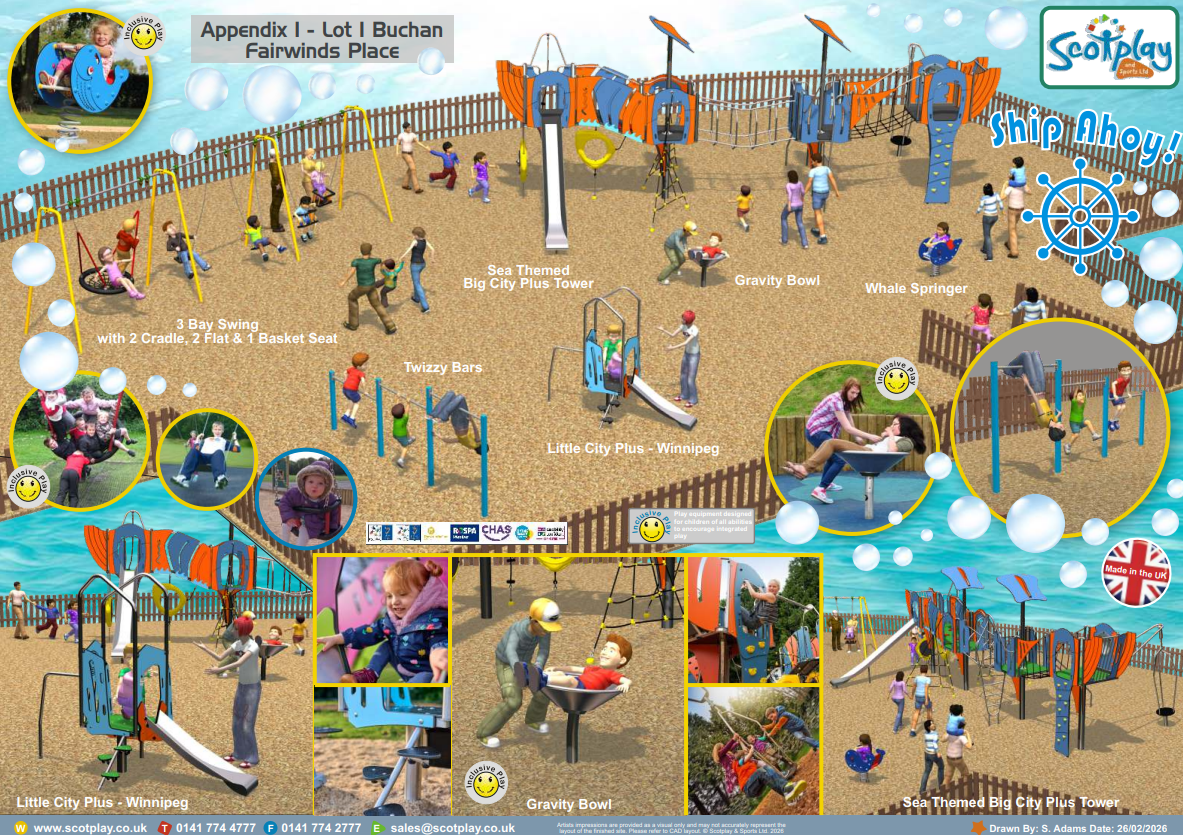
Aberdeenshire Council invited feedback from the local community to help select their preferred design for new playpark equipment, funded by the Scottish Government. The playparks being upgraded are Leeds Terrace playpark in New Leeds, Penny Park in Boddam and Fairwinds playpark in Peterhead. Five design options were presented, with the designs shown below receiving almost 43% of the public vote.
What we're doing
Aberdeenshire Council’s Landscape Services have now ordered the new play equipment, which will be installed over the coming months. Thank you to everyone who took part and shared their views, your input has played an important role in shaping these play parks for the community.
What you told us
Aberdeenshire Council invited feedback from the local community to help select their preferred design for new playpark equipment, funded by the Scottish Government. The playparks being upgraded are Leeds Terrace playpark in New Leeds, Penny Park in Boddam and Fairwinds playpark in Peterhead. Five design options were presented, with the designs shown below receiving almost 43% of the public vote.


What we're doing
Aberdeenshire Council’s Landscape Services have now ordered the new play equipment, which will be installed over the coming months. Thank you to everyone who took part and shared their views, your input has played an important role in shaping these play parks for the community.